
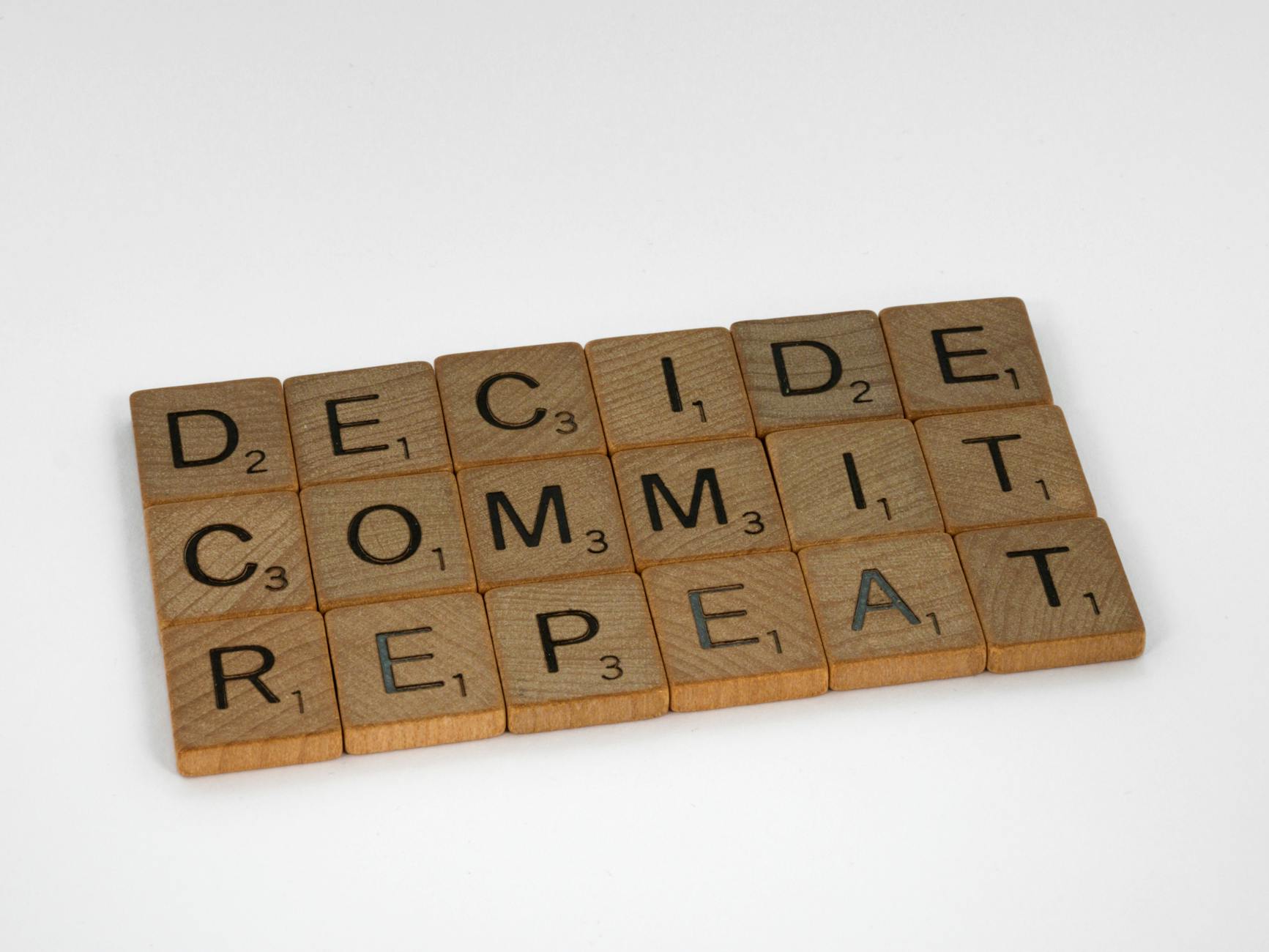
This week, we’ll continue to explore the different dysfunctional ways we detach from ourselves and get stuck living someone else’s narrative. If you’ve stopped trusting your gut and begun avoiding conflict, the next dysfunction to appear is a lack of commitment.
How the lack of trust and conflict avoidance impedes growth
All growth requires change. Change requires self-examination. To really see what’s happening within, you need to be able to view and process sometimes unpalatable truths about yourself. Without being able to honestly view the context and ramifications of our actions, we cannot identify areas for potential improvement.
This is where a lack of self-trust and fear of conflict really start to hurt us.
If we’ve lost faith in our judgment and don’t feel safe expressing our thoughts, we get into a cycle of repeatedly swallowing what we want to say. We begin to fear speaking up. We stay quiet and don’t push back when things feel off.
Whether this is because we’ve been conditioned by violence to obey, or because we self-inflict the desire to keep the peace, make others comfortable, and subjugate our wants and needs to make others happy, the result is the same: we become good at lying.
When we lie often enough about how we feel, we lose our ability to be honest with ourselves.

A word of encouragement before we go on
Does the above describe a personal journey you’ve experienced? If so, please don’t feel bad or blame yourself. These patterns are incredibly common, and you’re not alone.
My point in telling you this is not to make you feel bad. It’s to point out that you can change your behavior at any time. Circumstances outside your control might have brought you here, but you have the power to get unstuck at any time. And once you root out these common dysfunctions, you’ll discover an unshakable core that reflects who you really are.
We good? Okay, let’s continue…
Lack of commitment makes open and honest communication impossible
The impulse to avoid conflict at all costs can be generational. You might have been raised in a family where certain things were never spoken of. Or maybe the belief system you were raised in rewarded blind obedience and faith over facts. Control may have been enforced by ejecting or ostracizing those who disobeyed or asked questions.
Fear of expulsion from family or a group you identify with is a powerful motivator. If this was a threat you experienced, it’s normal to feel less committed to taking a stand, voicing opinions that might contradict, asking questions, or saying anything that might be taken as criticism.
After all, if you don’t commit to taking action or doing things that might disrupt, then you can’t be guilty of anything. And if you’re not guilty, no one can blame you, right? Right?
Lack of commitment intensifies already bad situations
People who refuse to commit to a side are still picking a side. They are upholding the dominant perspective or societal norm with their silence. They are supporting whatever the majority opinion is with inaction. That’s why war tribunals don’t accept the excuse “I was just following orders” when war crimes were committed.
When people lack the commitment to talk honestly about conditions that aren’t right, things stagnate or fester. If no one raises objections or pushes back when things feel off, then nothing changes.
What’s been avoided surfaces eventually, but in unhealthy and unhelpful ways. If an issue between people isn’t addressed, pressure builds until an argument or confrontation turns ugly and seems to “come out of nowhere.” Similarly, you can’t keep ignoring a problem. If it’s not resolved early, you’ll keep dealing with it until it disrupts your life and forces you to change.
Lack of commitment means there’s no clear path forward. Flow states are desirable. But if you’re just going along to get along, then you may be giving up agency over your own life. You’ve got precious little time on this planet. Why waste what you have by going on autopilot?
Challenge: Make a commitment to positive growth and change
To root out this lack of commitment dysfunction and overwrite bad habits with positive ones:
- Speak up and take action if something’s not right. Asking clarifying questions is the easiest way to start.
- Offer constructive criticism, without backpeddling or apologizing for having an opinion.
- If you have an issue with someone, talk to them directly.
- Evaluate the direction you’re going. Is it aligned with your goals, purpose, vision, and values? If you don’t know what they are, create them so you have a working roadmap.
Let me know how it goes! Share your thoughts and experiences by commenting below or tagging @trulykristi on social channels. 🙂



Leave a Reply