
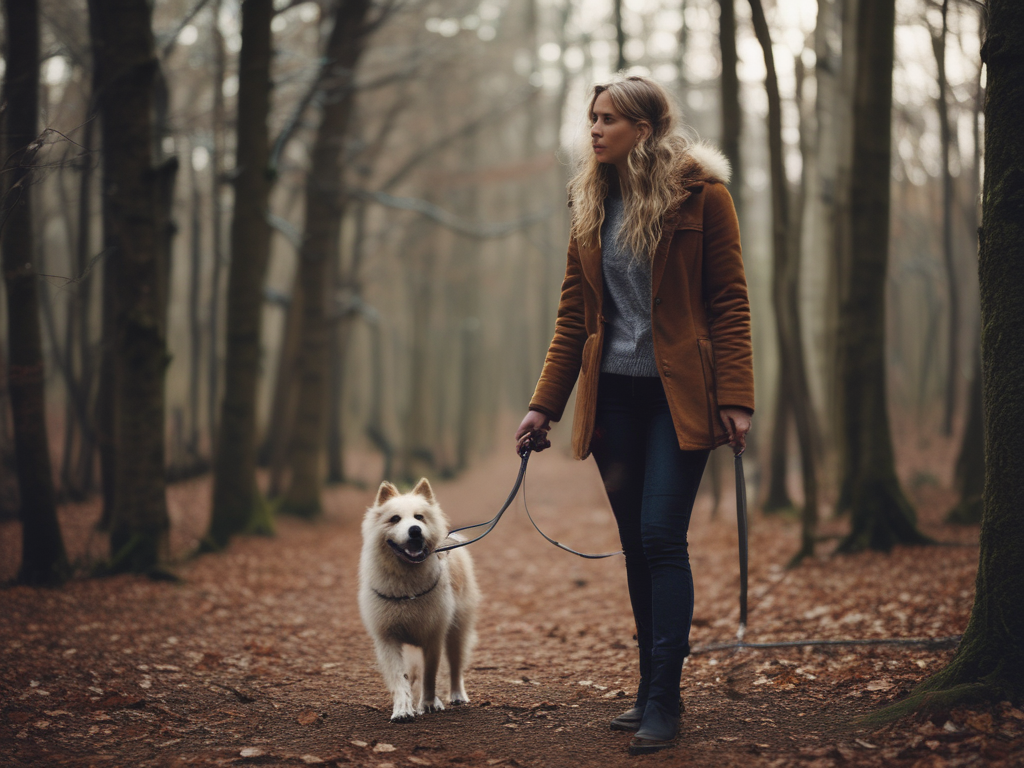
This morning, something crashed through a wire fence as I was walking my dog through the woods.
Was it a fox? A large rabbit? A bobcat?
I tightened my hand on my dog’s leash. The animal was moving away through the low scrub on my left. I didn’t want to make any noise that might attract it.
For a few tense seconds, the animal seemed to spin in circles in the tall grass. Then it leaped at the fence. But instead of moving through, it rebounded, landing awkwardly on its hindquarters. For a moment it sat still, shocked.
That’s when I saw what it was . . .
. . . a fawn!

The baby deer must have been playing in the horse pasture and crossed over to the trail by accident.
Now it couldn’t get back to its mama!
Panicked, it hurled itself against the fence. It bounced back so violently, I was afraid it was hurt.
I wanted to help, but I knew I couldn’t. If I touched the baby deer, its mother would not take it back.
The unintentional damage we do by helping
Newborn deer have no detectable odor—unless humans touch them. Not only would I orphan the deer if I lifted it over the fence, but the scent I left on it might attract bears, vixen, and bobcats.
I didn’t want to hurt the fawn more than it already was. All I could do was bear silent witness to its panic.
Be patient, and you’ll see what the natural capabilities are
Eventually, the frenzy slacked. The fawn moved further away and tried a different patch of fence. Unsuccessful, it tried again.
But it ceased blindly hurling itself against the wire. Now it was thinking about where it might pass through. Each time it moved to a new location, it did so with more caution, less panic.
It was fascinating watching the baby deer learn how to manage its emotions and adjust its approach.
Finally, it found a patch where there was a gap in the wire. It moved slowly, with intention. Then, it stepped through.
With relief, my dog and I watched the deer gallop away across the pasture.
In that moment, I realized something important.
The animal I thought was helpless never needed my help.
We need to be patient with the ones we love
So often, when loved ones around us are struggling, we want to rush in and fix things, speed things up.
We forget that we learn by making mistakes.
If we jump in and do all the work for someone, what do they learn?
We have to give our loved ones space to make mistakes and the grace to put things right again.
Especially if they haven’t asked for our help.
Your challenge: be patient
Remember: Just because you can swoop in and save the day doesn’t mean you should. Be patient and wait to see if the situation resolves itself. Or wait until you’re asked to help.
That’s your challenge.
Let me know how it goes! Share your thoughts and experiences by commenting below.



Leave a Reply